Walter
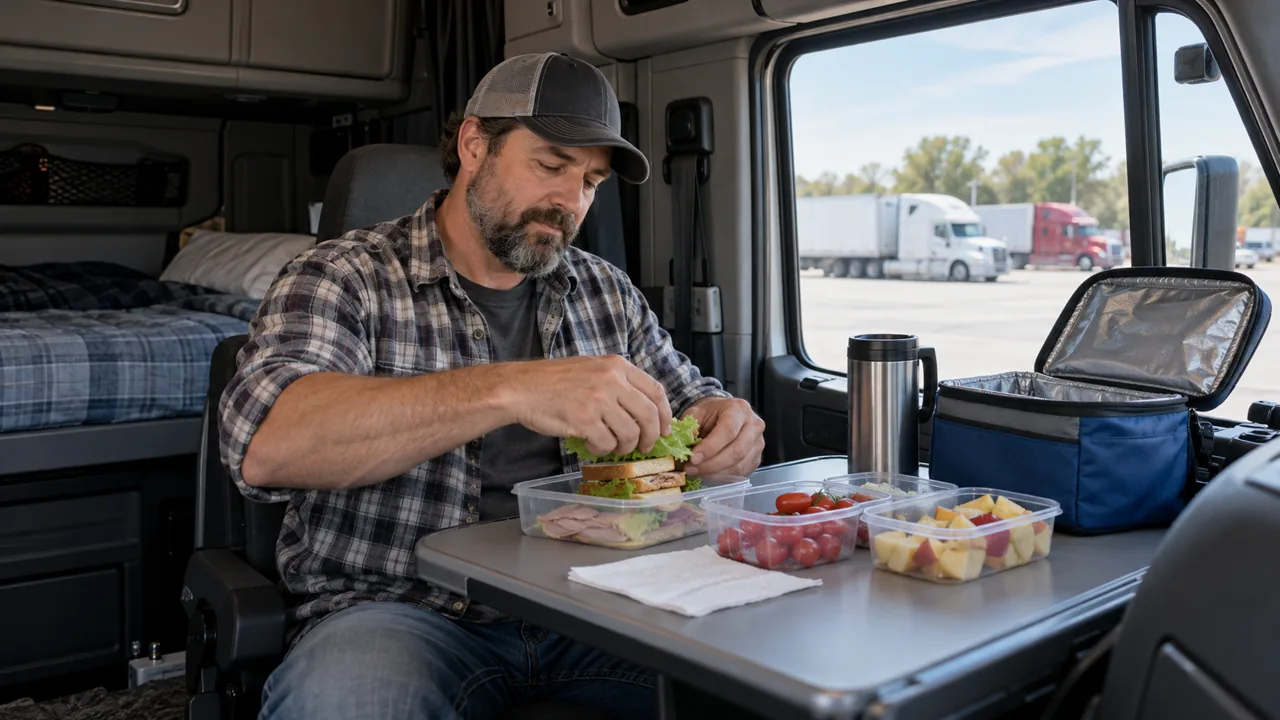
A stocked cooler can make a long shift easier, but bringing food into a truck also creates a small food-storage operation. The cab warms in sunlight, the cooler opens repeatedly, and a delivery delay can move lunch several hours beyond the original plan. Good meal planning therefore includes temperature control, clean handling, and a realistic fallback when refrigeration fails. It is less about preparing an impressive menu and more about knowing that the food you have packed is still suitable to eat when a safe break finally arrives.
Plan around the cold storage you actually have
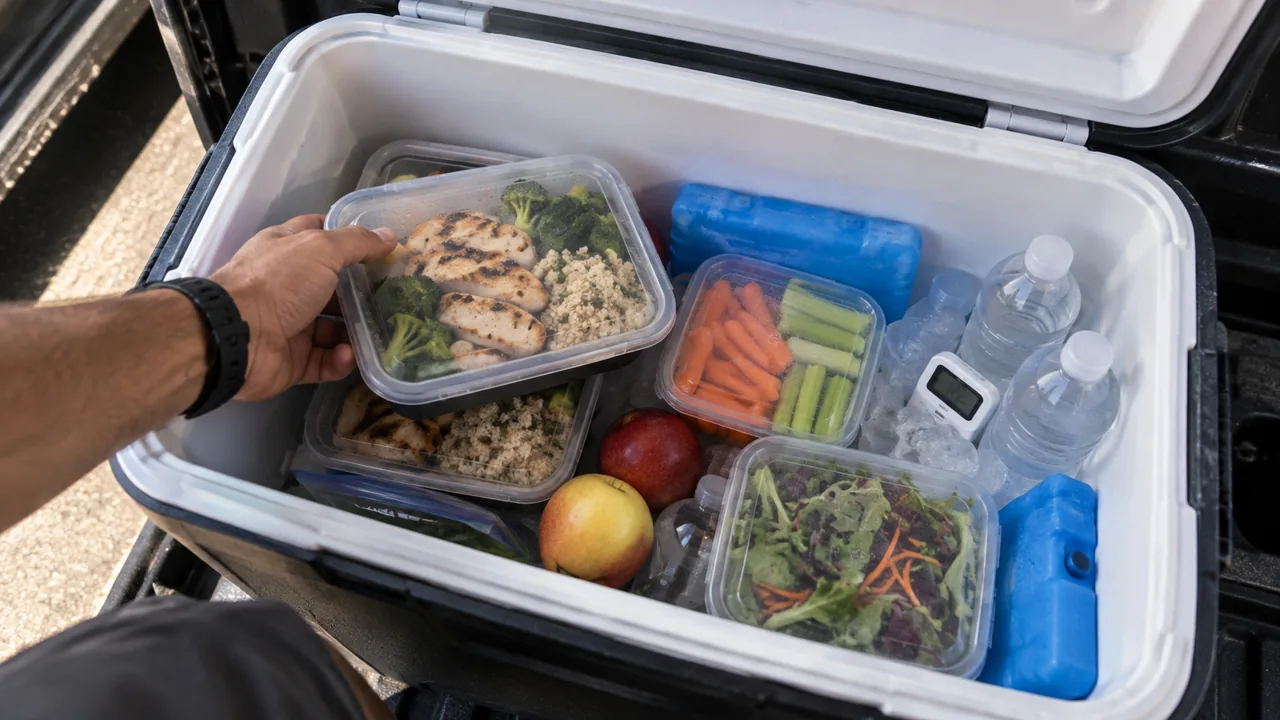
An insulated bag, a powered cooler, and a refrigerator do not provide identical performance. Understand the equipment's instructions, power requirements, and limitations before filling it with several days of perishable meals. Check whether it maintains a safe temperature during the truck's normal operating and shutdown routine. A cool-feeling container is not a temperature reading. Use an appropriate thermometer and place it where it can provide a useful check without leaving the lid open while you search through the contents.
The USDA guidance on the food temperature danger zone advises keeping cold food at 40 degrees Fahrenheit or below. It also explains the two-hour limit for perishable food left out of refrigeration, reduced to one hour above 90 degrees Fahrenheit. Build those limits into the plan rather than relying on smell or appearance. A meal can look normal after unsafe temperature exposure, so the absence of an obvious warning is not a reliable test.
Pack a manageable amount of perishable food
Start with the meals you can store and use safely, not the maximum number of containers that fit in the cab. A cooler packed too tightly for its intended operation can be inconvenient to check and organize. Follow the equipment's loading instructions and keep the meals that need to be used first easy to reach. Label prepared food with the relevant preparation date and contents. This prevents an older container from remaining hidden beneath newer purchases until nobody remembers when it was packed.
Choose portions that match a normal break. Repeatedly opening a large container and returning part of it to storage creates more handling than taking out one prepared portion. Keep a separate place for drinks if frequent access to them would repeatedly warm the meal storage area. Pack a small amount of shelf-stable backup food that does not require refrigeration before opening, following its label. That gives you another option if a delayed trip or equipment failure makes the original lunch plan unsuitable.
Begin with chilled food and sufficient cold sources
Prepare and chill meals properly before departure rather than expecting a small cooler to cool a large amount of warm food quickly. Move perishable items into their travelling storage shortly before leaving. For an insulated lunch bag, the USDA guidance on keeping packed lunches safe recommends multiple cold sources. Arrange the food and cold packs so that the whole meal remains protected rather than placing one small pack beside the easiest container to see.
Check how long the arrangement works under the conditions of your trip. A bag sitting in a hot parked cab may face a different environment from one carried briefly into an air-conditioned office. Keep it out of direct sunlight and avoid treating a partially melted ice pack as evidence that everything inside remains safe. If the plan depends on replenishing ice, identify a practical place to do it. A refrigeration routine that requires a stop the schedule never permits is not a workable routine.
Keep the preparation space separate from work dirt
The cab table may also hold keys, receipts, gloves, and a phone used around loading yards. Clear and clean the food area before preparing a meal. Wash hands appropriately and keep eating utensils protected rather than loose in a work drawer. Avoid placing dirty outer packaging directly beside ready-to-eat food. A short routine is easier to maintain if cleaning supplies and a waste bag have their own accessible place and do not have to be retrieved from beneath the bunk.
Choose meals that do not require handling raw meat in the cab. Separating raw ingredients from ready-to-eat food, cleaning surfaces, and maintaining safe storage is harder in a confined workspace. Preparing meals in a suitable kitchen and carrying them in sealed portions simplifies the road routine. If a container leaks, deal with the affected storage area promptly rather than wiping only the outside of the nearest package. Keep food containers distinct from equipment used for vehicle maintenance or cleaning chemicals.
Make temperature checks part of ordinary stops
A brief check at departure and suitable breaks can reveal whether cold storage is working as intended. Note an unexpected temperature rise, a disconnected power supply, or a lid that no longer closes properly. Follow the equipment instructions for responding to a problem. Do not assume the food has recovered merely because the display later returns to a lower number. What matters includes the time it spent outside safe conditions, which may not be known after a long unnoticed power interruption.
When the temperature history is uncertain, do not gamble on a meal to avoid wasting a few dollars. Use the backup plan and replace the affected food when practical. Keep a small note of recurring storage failures so the cause can be resolved rather than repeating the same loss every trip. A loose connector, unsuitable storage location, or equipment that cannot support the required load may need a different arrangement. Ask for qualified help with vehicle electrical issues rather than improvising a power connection.
Reheat deliberately and avoid repeated warming
If using a microwave or another approved appliance, follow the food and appliance instructions and check that heating is adequate throughout the portion. Uneven heating can leave a cold center while the container feels hot. Use a suitable food thermometer where required, and handle hot containers carefully in the limited cab space. Do not balance an appliance or meal where braking, vibration, or normal movement could spill it. Food preparation belongs in a safely parked vehicle, away from driving tasks.
Only heat the amount intended for the meal. A cycle of warming, cooling, and reheating is a poor substitute for portion planning. Keep the remaining food in proper cold storage and track its preparation date. Follow current official guidance for reheating and leftovers rather than assuming every cooked dish lasts the same number of days. If the available appliance cannot handle the meal safely, choose a different meal rather than compensating with repeated guesses about heating time.
Clean and reset before the next load
At the end of a trip, empty the cooler, remove food that should no longer be kept, and clean the unit according to its instructions. Dry reusable equipment properly and check seals, containers, and cold packs for damage. Restock cleaning supplies and the shelf-stable backup before the next departure. This is also the moment to simplify a menu that created too much work or left too many uneaten portions. A good road meal system should reduce friction during the shift.
The most dependable approach is modest: a few meals you can store safely, a temperature check you actually perform, a clean preparation area, and an alternative when the plan fails. Those habits make packed food useful without turning every break into a kitchen project. They also protect the time invested in preparing meals, because a small, reliable cold-storage routine is more valuable than a cab full of food whose safety becomes uncertain halfway through the trip.