Walter

A cab can collect a surprising number of cleaning products, cloths, bags, and half-finished jobs. A useful kit begins with the surfaces that need attention and the products approved for them. Keeping that kit small and organized makes routine cleaning easier to finish without turning the sleeper into another storage cupboard.
List the surfaces before buying products
Identify the materials you actually need to clean: glass, screens, upholstery, hard trim, and any food-preparation items permitted in the cab. Check the vehicle and equipment instructions for suitable methods. A product that works on one surface may not be appropriate for another.
Separate routine cleaning from a problem requiring specialist service, such as damaged equipment or an unresolved leak. More product is not a solution to every persistent mark or smell. Record a maintenance concern rather than repeatedly covering it with another treatment.
Read the product instructions
Use products only as directed and keep them in suitable, clearly identified containers. Follow warnings about handling, ventilation, storage, and surfaces. Do not mix products or put a chemical into an unmarked food or drink container.
The CDC's cleaning guidance distinguishes routine cleaning from disinfection. For a truck cab, the relevant product instructions, carrier procedures, and equipment guidance remain essential. Avoid assuming that every surface needs the strongest available treatment.
Give the kit a fixed home
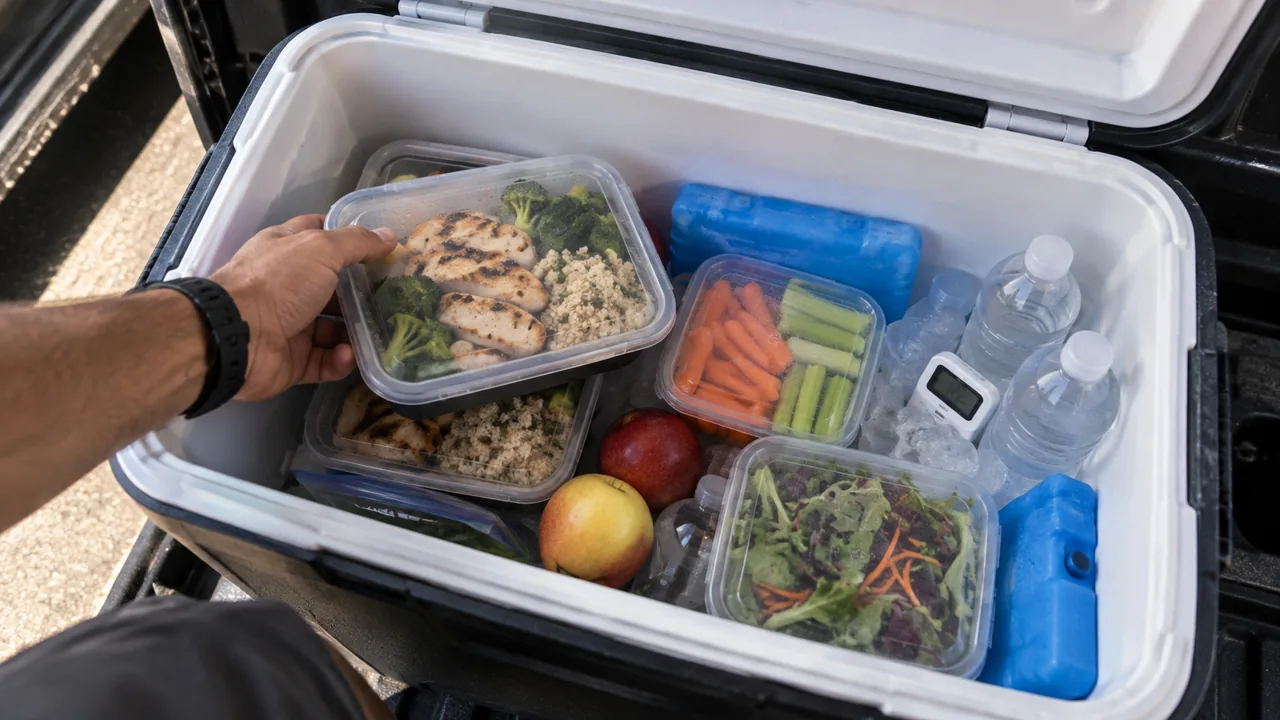
Store the items securely in an appropriate place away from pedals, controls, heat sources, and food. Keep cloths and waste arrangements separate from clean personal belongings. Check containers for leaks and make sure the storage method is suitable for the vehicle's normal movement.
Use a short checklist for replacing consumables. Buying duplicates because the original product cannot be found makes the kit harder to manage. The EPA's reducing-and-reusing guidance provides a broader context for choosing what to keep and use rather than accumulating unnecessary supplies.
Clean one complete zone at a time
Work while safely parked and within the time available. Choose an area small enough to finish, remove loose items, follow the appropriate method, and return belongings deliberately. Leave equipment dry and ready for use as its instructions require.
Avoid starting a task that leaves driving controls obstructed when you need to depart. Keep cleaning materials off sensitive electronics unless their instructions allow the chosen method. If a product damages a surface or causes an unexpected problem, stop using it and obtain appropriate advice rather than trying several more products in succession.
Finish with the waste and the next step
Dispose of waste and used materials according to the product, carrier, and site requirements. Do not leave a partly completed cleaning job in the aisle or on the seat. Identify what remains for another stop without allowing an unfinished task to become a permanent pile.
A useful kit might contain fewer items than the collection it replaces. Its value comes from being suitable for the cab, clearly labeled, securely stored, and easy to put away after use. A routine that finishes one small area consistently is more practical than a large supply of products waiting for an ideal cleaning day.
Related reading: Food Safety in a Sleeper Cab: Keeping Packed Meals Safe on the Road